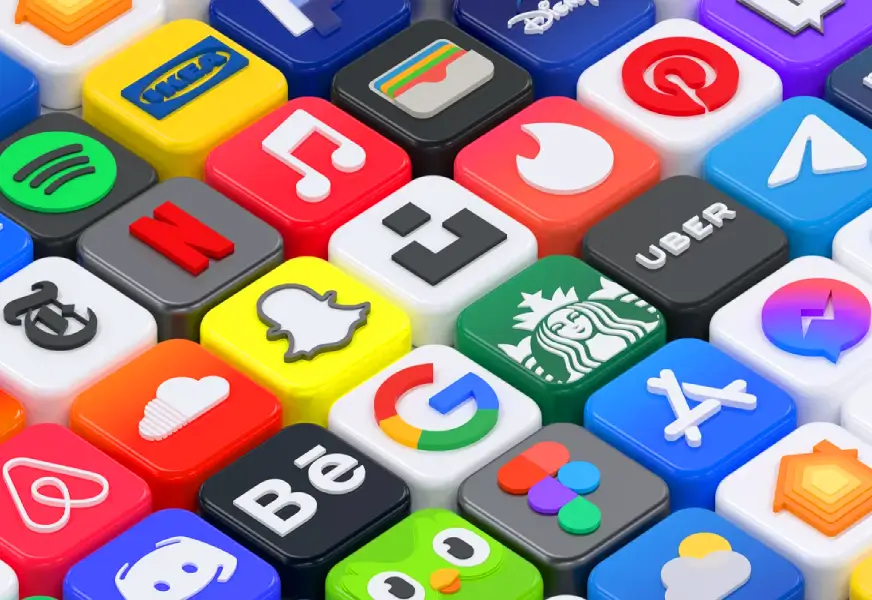
Why Choosing the Right iPhone Apps Matters
With thousands of new iOS releases launching every week, finding apps that genuinely improve productivity, creativity, or downtime takes a smart strategy. What feels essential today can easily be replaced tomorrow—so knowing Where to Find the Best iPhone Apps in 2027? saves storage, time, and privacy headaches.
Installing unvetted utilities or bloated clones slows down your home screen, drains battery in the background, and clutters notification centers. Building a reliable discovery routine ensures you only keep software that earns its spot on your iPhone.
Where to Find the Most Trusted & Recommended Apps
1. Apple’s App Store: Your Primary iOS Source
Apple’s official App Store remains the safest starting point for every iPhone owner. Behind its curated storefronts, editorial teams spot rising tools and filter out malicious software through strict privacy reviews.
- “Today” Tab: Daily editorial stories spotlighting standout tools, indie gems, and timely themes.
- Dynamic Top Charts: Real-time rankings across free, paid, and top-grossing apps showing what users rely on most.
- Special Events: In-app showcases highlighting major updates, gaming tournaments, and seasonal launches.
Apple’s strict app review process and granular permission prompts also keep your personal data protected when trying new downloads. Checking App Privacy nutrition labels before tapping Get lets you spot excessive tracking immediately.
2. Follow Trusted Tech Media & iOS Blogs
International tech publications act like trend radars—testing new iOS releases hands-on, comparing alternatives honestly, and explaining which features actually matter beyond flashy marketing. Following reliable English and regional Apple blogs also surfaces practical tips for photography, focus modes, and battery life.
Many specialized newsletters also highlight independent developers building clean, subscription-free utilities that rarely appear on paid ad charts.
3. Explore Community Picks & Curated Roundups
Tech podcasts, Apple developer showcases, and moderated iOS user communities frequently share workflow gems—from minimal habit trackers to local-first note apps. Reading real long-term user feedback helps you avoid apps that look slick in screenshots but lock basic exports behind pricey paywalls.
Matching Apps to Your Daily Needs
Rather than chasing viral charts blindly, browse by clear goal categories:
| Category | Best Used For |
| Productivity | Task managers, note-taking, calendars, and focus timers. |
| Creativity | Photo/video editing, digital illustration, and content creation. |
| Health & Fitness | Workout tracking, sleep logs, and guided meditation. |
| Games | Offline single-player adventures and online multiplayer hits. |
| Social | Messaging, communities, and sharing media safely. |
| Education | Language learning, coding courses, and study flashcards. |
Use Personalized Recommendations
Pay attention to the App Store’s “You Might Also Like” suggestions shaped by your installed library—they frequently surface lightweight utilities tailored to your exact workflow. Combined with Apple’s built-in Search filters, you can quickly compare ratings, update frequency, and file sizes side by side.
Safety Checklist Before Installing Any New iOS App
- Check Recent Update History: Active apps receive regular bug fixes and iOS compatibility patches rather than sitting abandoned for years.
- Read Critical 2-Star and 3-Star Reviews: Mid-tier ratings usually reveal honest trade-offs about subscription pricing, sync reliability, or battery drain.
- Review Privacy Nutrition Labels: Confirm whether an app collects unnecessary location, contact, or usage tracking data before granting permissions.
- Test Free Tiers First: Always try built-in trials or free plans before committing to annual renewals.
Frequently Asked Questions
Are third-party iOS app stores safe to use in 2027?
While regional regulations in select markets allow alternative marketplaces, Apple’s official App Store remains the most consistent, heavily vetted source for everyday iPhone users seeking strict security screening.
How can I spot fake or copycat apps?
Verify the exact developer name, check total review counts, and look closely at release dates—clones often mimic popular icons with slightly misspelled titles and inflated five-star spam.
What Are the Best Ways to Discover Niche Utilities?
If mainstream top charts feel repetitive, look beyond generic “Top Free” lists. Apple’s own App Store Editorial collections—such as Indie App Spotlight, Apps We Love Right Now, and annual App Store Award finalists—frequently highlight thoughtful single-purpose tools built by small studios. These apps often skip aggressive ads, respect offline storage, and focus on doing one job exceptionally well.
You can also follow iOS productivity creators, photography communities, and developer showcases around WWDC each June. Watching how real designers, students, and mobile photographers customize their home screens reveals practical apps that rarely spend money on paid App Store search ads.
Should You Pay for Subscriptions or One-Time Unlocks?
Not every utility deserves a monthly subscription. Before subscribing to a note-taking app, weather radar, or photo editor, compare whether a one-time lifetime unlock or Apple’s built-in iOS apps—like Notes, Reminders, Freeform, Journal, and Shortcuts—already cover 90% of what you need for free. Reserving paid subscriptions strictly for tools you open every single day keeps your annual app spending lean and intentional.
How Do You Keep Your iPhone Organized After Downloading New Apps?
Set a simple rule: whenever you test three new apps, delete at least two old ones you have not opened in 30 days. Using iOS App Library folders and offloading unused apps automatically reclaims gigabytes of flash storage while keeping your main home screen clean and distraction-free.
When Should You Trust User Ratings vs. Editorial Reviews?
Star ratings on the App Store give a broad snapshot of stability, but they can be skewed by sudden update bugs or promo prompts. Pairing recent 30-day user feedback with hands-on comparisons from reputable iOS tech outlets gives you the clearest picture of whether an app truly delivers long-term value, respects battery life, and supports modern iPhone hardware features like Dynamic Island and interactive home screen widgets.
How Do You Evaluate Productivity and Creative Apps Before Committing?
Take five minutes to test core workflows during a free trial—such as exporting a PDF, syncing notes across iCloud, or editing a short video clip—before entering any payment details. Checking whether an app lets you export your files in standard formats like Markdown, CSV, or MP4 ensures you never feel locked into a single developer’s ecosystem later on.
How Often Should You Check for New Apps?
Checking the App Store Today tab and one or two trusted tech sites once a week keeps your iPhone fresh, secure, and equipped with the best tools of 2027—answering Where to Find the Best iPhone Apps in 2027? with simple, reliable habits. Paired with a quick monthly cleanup of unused apps, a careful eye on privacy nutrition labels, and regular updates from Apple’s official storefront, your device stays fast, organized, and clutter-free all year long. Making smart app choices once a week saves storage, protects your privacy, avoids bloated subscriptions, and ensures your iPhone always works smoothly for your daily work, creative projects, study habits, fitness goals, and evening downtime all year round with total confidence and peace of mind every day.